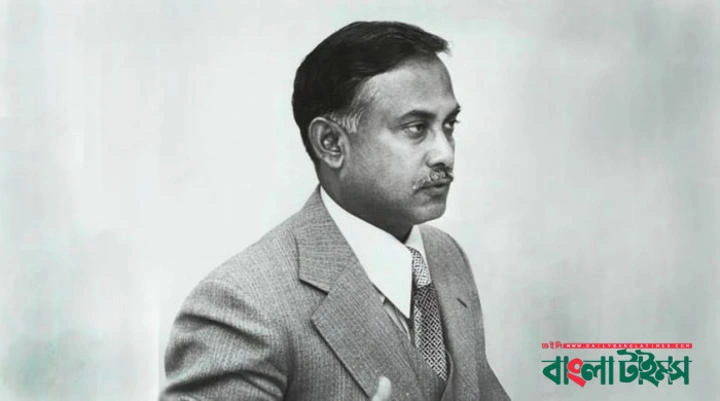
Ziaur Rahman is huge in Bangladesh history. People know him for lots of things. He fought hard as a freedom fighter. Led troops as a military guy. Changed stuff as a political leader. And served as President too.
Even now, years after he died, his name still matters big time in Bangladesh politics.
I mean, really.
Not many leaders leave that kind of mark. You know?
His story sounds crazy when you think about it.
A military officer becomes a war hero first.
Then he becomes President of the whole country.
Then creates one of Bangladesh’s biggest political parties ever.
That’s a wild ride, right?
People still search for stuff like:
- His net worth
- Ziaur Rahman biography
- Ziaur Rahman political career
- Ziaur Rahman family
- Ziaur Rahman contribution to Bangladesh
- Ziaur Rahman BNP
- Ziaur Rahman Liberation War
Some folks love him deeply. Others don’t like parts of what he did. But here’s what nobody can deny.
He changed Bangladesh forever. Like, totally changed it.
Let’s check out the amazing journey of Ziaur Rahman. War stuff, politics, leading people, fights, and making a nation – it all became part of one big legacy.
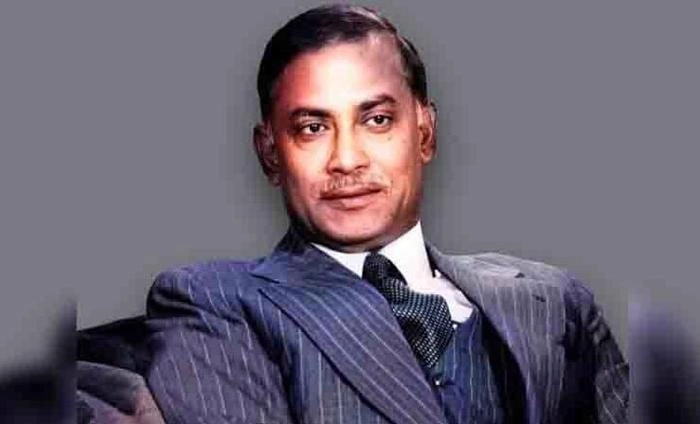
Ziaur Rahman Basic Information Table for Ziaur Rahman
| ATTRIBUTE | DETAILS |
| Full Name | Ziaur Rahman |
| Ziaur Rahman Nickname | Zia |
| Ziaur Rahman Date of Birth | January 19, 1936 |
| Ziaur Rahman Birthplace | Bogura, Bangladesh |
| Ziaur Rahman Nationality | Bangladeshi |
| Ziaur Rahman Profession | Military Officer, Politician |
| Ziaur Rahman Religion | Muslim |
| Ziaur Rahman Political Party | Bangladesh Nationalist Party (BNP) |
| Ziaur Rahman Position | Former President of Bangladesh |
| Ziaur Rahman Spouse | Khaleda Zia |
| Ziaur Rahman Date of Death | May 30, 1981 |
| Ziaur Rahman Net Worth | Historical figure, exact wealth unknown |
Ziaur Rahman Height & More
| Attribute | Details |
| Height | Approximately 5 feet 8 inches |
| Weight | Around 72 KG |
| Hair Color | Black |
| Eye Color | Black |
| Ethnicity | Asian |
| Personality | Disciplined and Charismatic |
Ziaur Rahman Biography & Wiki Timeline
Ziaur Rahman Early Life
He was born in Bogura in 1936. That was during British India time. His dad worked as a chemist for the government.
As a kid, he was quiet. He was also focused. People who wrote about him later said he was serious from when he was little.
School stuff led him to military life later.
And you know what?
That choice changed Bangladesh history big time.
Ziaur Rahman Military Career
Before politics came along, Ziaur Rahman built his name through army stuff.
He joined the Pakistan Army in the 1950s. Then he moved up step by step.
Army training shaped him a lot:
- Being strict with himself
- Leading other people
- Feeling sure of himself
- Thinking smart about plans
- Staying calm when things got crazy
Those things helped him later. Both in the war and when he was President.
In 1970, they sent him to East Pakistan. That place became Bangladesh later.
Then 1971 happened.
And boom. Everything changed.
Ziaur Rahman Role in the Liberation War
He got super famous during Bangladesh’s Liberation War in 1971.
One huge moment was when he announced Bangladesh’s independence on the radio. He did it from Chittagong during the war.
That announcement became really special for many people in Bangladesh. Like, really special.
During the war, Zia was a sector commander. Which means he was a big boss. He helped organize people to fight against Pakistani forces.
For lots of his fans, this made him a hero forever.
And honestly?
The Liberation War became the base for everything political he did later.
Ziaur Rahman Rise in Politics
After Bangladesh got free, things were messy.
Politics went crazy.
Army guys got more power.
Governments kept changing.
Coups happened a lot. Which means army takeovers.
During all that hard stuff, Ziaur Rahman slowly got more powerful. First through the army. Then he became a national leader.
Unlike most politicians, Zia came from army life. Not from regular party stuff.
That made how he led different.
More organized.
More like running an office.
Sometimes stricter too.
Ziaur Rahman Presidency of Bangladesh
He became President of Bangladesh in 1977.
The country had huge problems then:
- Money troubles everywhere
- People stealing government money
- Political violence happening
- Weak government offices
- Not enough food
- People not making enough stuff
His government worked hard on:
- Fixing money problems
- Making trade easier
- Helping villages grow
- Changing how offices work
- Helping private business grow
People who like him say he helped make Bangladesh stable. You know, during a really hard time.
Some business areas grew a lot when he was President. Like sending workers overseas. And making clothes to sell.
Ziaur Rahman Formation of BNP
One of his biggest wins was starting the Bangladesh Nationalist Party in 1978.
BNP became one of Bangladesh’s biggest political parties later.
The party pushed ideas like:
- Being proud of Bangladesh
- Having many parties compete
- Making the country richer
- Being independent as a nation
Even now, BNP is still one of the country’s biggest political groups.
That shows how strong his influence became. Like, really strong.
Ziaur Rahman His Net Worth
Since he was a past political leader, not a modern rich guy, nobody knows his exact net worth.
Most talk about him focuses on:
- Political power he had
- Leading the country
- Being important in history
- Army achievements
- Making national identity
Not fancy wealth or big companies.
But his family stayed super important in politics. Through Khaleda Zia and Tarique Rahman.
Ziaur Rahman Family and Personal Life
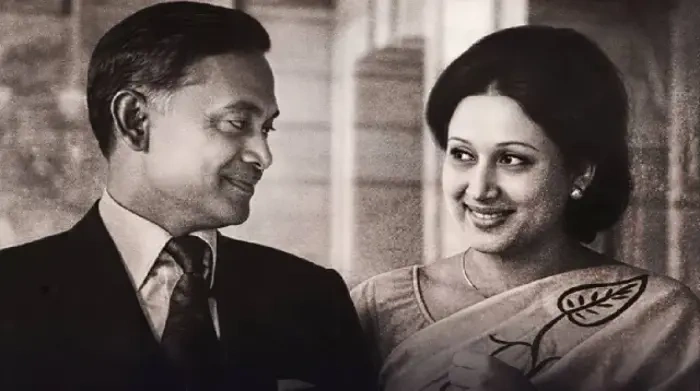
He married Khaleda Zia. She became Prime Minister many times later.
Together, they became one of Bangladesh’s most important political families ever.
Their son Tarique Rahman also got into politics. He became acting boss of BNP later.
Even now, years later, the Rahman family still plays a huge role in politics.
That kind of long influence? It’s rare. Really rare.
Also Read: Dr. Zubaida Rahman Net Worth, Age, Biography, Career & More
Ziaur Rahman Assassination and Death
His life ended badly in 1981.
He was killed during a military coup try in Chittagong. Which means army guys tried to take over.
His death shocked Bangladesh hard. It made politics super uncertain.
Political killings hurt Bangladesh’s history a lot. And his killing became one of the country’s biggest political tragedies.
Ziaur Rahman Legacy and Influence
His legacy is still super powerful. And people argue about it too.
People who like him say good things about:
- Liberation War stuff he did
- Bringing back many parties
- Starting BNP
- Fixing the economy
- Making people proud of Bangladesh
Critics argue about his army influence. And how he did politics.
But few people say he wasn’t important. He was huge for Bangladesh’s modern history.
His influence keeps going through:
| Aspect | Impact |
| Liberation War | National hero image |
| Politics | Founder of BNP |
| Democracy | Multi-party political restoration |
| Economy | Reform and development initiatives |
| Family Legacy | Long-term political influence |
Ziaur Rahman Some Lesser Known Facts About Him
- He first served in the Pakistan Army. That was before Bangladesh got free.
- He got famous during the Liberation War in 1971.
- He announced Bangladesh’s independence on radio during the war.
- He started the Bangladesh Nationalist Party in 1978.
- His wife became Prime Minister many times.
- His son became a big BNP leader.
- He got killed during a military coup try in 1981.
- His political influence still matters.
Frequently Asked Question About Ziaur Rahman
What is Ziaur Rahman known for?
He’s known for his Liberation War role. And starting BNP. Plus being President of Bangladesh.
Was Ziaur Rahman a freedom fighter?
Yes. He played a huge role during Bangladesh’s Liberation War in 1971.
Which political party did Ziaur Rahman found?
He started the Bangladesh Nationalist Party (BNP).
He stays one of the most important people in Bangladesh history. And most argued about too. His journey from army guy to freedom fighter to President changed the country’s path big time.
For people who like him, he means leadership. And loving Bangladesh. And making things stable when times were hard. For critics, he shows the tricky link between army power and politics after Bangladesh got free.
But no matter what people think politically, you can’t ignore his impact.
His legacy still shapes political talks. And party identity. And what people remember. And history debates. Even years after he died.
And because of all that, he keeps being one of the key people in modern political history there.

Expert in glasses with 8 years of experience, Isabella Lane dives into the world of eyewear. Explore their insightful content on the latest trends, lens technology and styling tips for a clearer vision.