Few purchases carry as much emotion as a wedding dress. It will appear in photographs that are passed around the family for decades, and it needs to look beautiful while also letting you walk, dance, hug relatives and sit through a long reception in comfort. With so many silhouettes, fabrics and buying options available, the search can feel overwhelming at first.
The good news is that a little planning makes the process far calmer. This guide explains the main dress shapes and necklines, which fabrics work well in warm weather, how to match your dress to your venue, and the pros and cons of buying new, renting, buying second-hand or having a dress made. It also covers fitting timelines, accessories and how to look after the dress afterwards.
Start with Your Wedding, Not the Dress
Before you look at a single gown, think about the day itself. Where is the ceremony? Will you be outdoors in the afternoon sun, in a cool church, or on the coast with sand underfoot? How long will you be wearing the dress, and how much dancing do you expect? Many couples in Kenya also hold a traditional ceremony alongside a church or civil wedding, which may mean planning more than one outfit.
Your answers shape everything else. A heavy, long-trained gown might look spectacular in a cathedral but become exhausting at an outdoor garden reception, while a light, flowing dress could feel underwhelming in a grand ballroom. Having a clear picture of the day helps you shortlist styles quickly.
It is also worth researching before you book appointments. Browsing and comparing current offers on wedding dresses from different sellers gives you a sense of the styles, conditions and options available, and helps you arrive at fittings with a clearer idea of what you like and what feels reasonable for your plans.
Understanding Silhouettes
The silhouette is the overall shape of the dress. It has the biggest effect on how the gown looks and feels, so it is the best place to start.
Ball gown
A fitted bodice with a full, voluminous skirt. It creates a dramatic, fairy-tale look and suits formal venues well. Ball gowns can be heavy and warm, so consider the temperature and how easily you can move and sit.
A-line
Fitted at the top and gradually flaring out from the waist to the hem, forming a shape like the letter A. It flatters many body shapes, is comfortable to move in and works for almost any venue, which is why it is one of the most popular choices.
Mermaid and trumpet
These styles hug the body through the hips and flare out lower down: at or below the knee for a mermaid, and from mid-thigh for a trumpet. They are elegant and striking but can restrict movement, so practise walking, sitting and dancing during fittings.
Sheath
A slim, straight shape that follows the body’s natural line. Sheath dresses are light and understated, making them a good fit for relaxed, modern or destination weddings.
Tea-length
A hemline that falls between the knee and the ankle. Tea-length dresses feel playful and slightly retro, show off your shoes and are practical for garden parties and outdoor venues where a long hem might gather dust or grass.
Choosing a Neckline
The neckline frames your face and affects how you feel in the dress. Common options include the sweetheart, shaped like the top of a heart; the V-neck, which can lengthen the upper body; the bateau or boat neck, a wide, gentle curve across the collarbones; the off-the-shoulder style; the halter; and the high neck. Think about whether you want sleeves, whether your ceremony venue has any expectations about covered shoulders, and how the neckline will work with a necklace or veil.
Fabrics for Warm Climates
In warm weather, fabric choice can make the difference between feeling fresh and feeling overheated.
- Chiffon is light, sheer and floaty, and moves beautifully in a breeze. It is a popular option for outdoor and coastal weddings.
- Organza is crisp and lightweight, adding volume without much weight. It can wrinkle, so allow for careful steaming.
- Lace ranges from delicate to heavily embellished. Lighter laces work well in heat, and lace sleeves or overlays can provide coverage without too much warmth.
- Satin is smooth with a lustrous sheen, and suits structured, formal gowns. It tends to be heavier and warmer than chiffon or organza.
- Crepe is soft with a subtle texture and drapes well, giving a clean, modern look. It works particularly well for sheath and minimalist styles.
Whatever the fabric, check the lining too. A breathable lining will keep you more comfortable than a synthetic one that traps heat.
Matching the Dress to the Venue and Season
Garden weddings
Light fabrics, A-line or tea-length silhouettes and floral lace suit garden settings. Avoid very long trains that will drag across grass, or choose a detachable train or a bustle so you can lift it for the reception.
Beach and coastal weddings
Humidity and sea breezes favour flowing chiffon and simple sheath or A-line shapes. Heavy beading, long trains and stiff structured fabrics can be uncomfortable and impractical on sand.
Church weddings
Churches often suit more formal styles, including ball gowns and longer trains. Check whether the church has guidance on covered shoulders; a lace bolero or detachable sleeves can give you flexibility for the ceremony and reception.
Buying New, Renting, Second-Hand or Tailor-Made
Buying new
A new dress from a bridal shop lets you choose from current designs and usually includes professional fitting support. Remember that many shops order dresses in, so allow plenty of lead time.
Renting
Renting can be a practical option if you do not want to keep the dress. Read the agreement carefully: check what cleaning, alterations and damage are covered, when you collect it and when it must be returned.
Buying second-hand
A pre-owned dress can be an excellent choice, particularly if it has been worn only once. Inspect it carefully in good light for stains, yellowing, loose beading, broken zips and fabric damage around the hem. Confirm the actual measurements rather than relying on the labelled size, since bridal sizing varies and the dress may have been altered. Ask whether it has been professionally cleaned, and meet sellers in a safe public place.
Tailor-made
Having a dress made by a skilled tailor or designer allows you to combine elements you love and get a fit built around you. Look at examples of their previous work, agree on fabric, design, timelines and number of fittings in writing, and leave extra time in case changes are needed.
Fittings and Timelines
Timings vary by seller and by how much work the dress needs, so ask early. As a general guide:
- Start looking early. Many brides begin shopping several months before the wedding, especially if ordering from a shop or commissioning a design.
- Plan for more than one fitting. Most dresses need at least a couple of fittings to get the length, waist and bust just right.
- Bring your shoes and underwear. Wear the actual shoes and undergarments you plan to use at each fitting so the hem and fit are accurate.
- Leave a buffer. Aim to have the dress ready a couple of weeks before the wedding in case of last-minute adjustments.
Budgeting for Accessories
When setting your budget, remember that the dress is only part of the look. Plan for a veil or headpiece, shoes, jewellery, undergarments, alterations, steaming and possibly a second outfit for the reception. Keeping a simple list of these items helps you avoid surprises later.
Traditional Ceremony Outfits
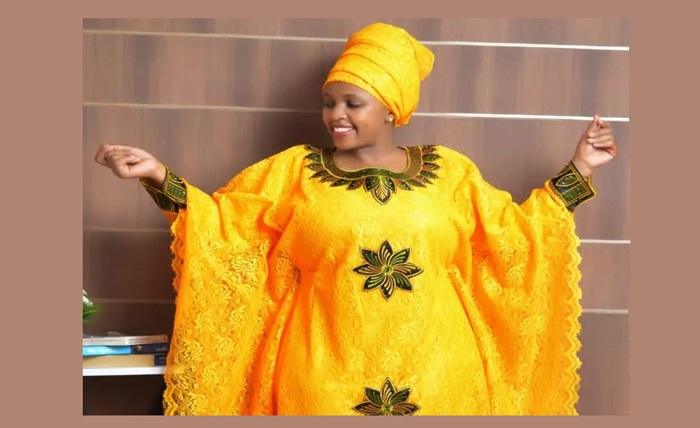
Many couples celebrate with a traditional ceremony such as a ruracio or other cultural event, and the outfits for these are usually quite different from a white wedding gown. Treat this as a separate look with its own planning, fabrics and fittings. Coordinating colours and fabrics with your partner or family can make photos from both events feel connected.
Tips for Trying On Dresses
- Bring one or two trusted people rather than a large group, so you can hear your own opinion.
- Try at least one silhouette you would not normally choose; it may surprise you.
- Move around: sit down, raise your arms, walk and try a few dance steps.
- Take photos, but give yourself time before deciding.
Caring for and Preserving Your Dress
After the wedding, have the dress professionally cleaned as soon as possible, since some stains become harder to remove over time. Store it in a breathable garment bag or acid-free box in a cool, dry and dark place, away from direct sunlight and damp. Avoid plastic covers for long-term storage, as they can trap moisture.
The bottom line
The right wedding dress suits your venue, your climate and the way you want to feel on the day. Start with the setting, learn the basic silhouettes and fabrics, weigh up buying, renting, second-hand and tailor-made options, and allow enough time for fittings. Plan for accessories and any traditional outfits, inspect pre-owned dresses carefully, and care for the gown afterwards so it stays a keepsake for years.

Expert in glasses with 8 years of experience, Isabella Lane dives into the world of eyewear. Explore their insightful content on the latest trends, lens technology and styling tips for a clearer vision.