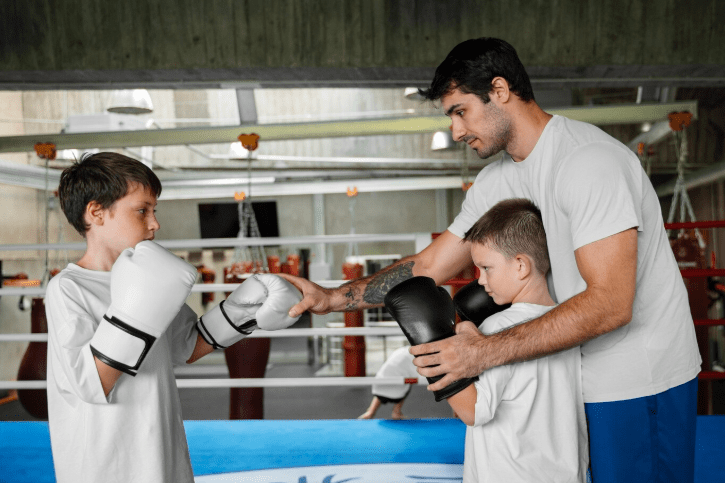
When your child shows interest in martial arts, it may be exciting but natural to feel concerned as a parent. Hence, understanding kids martial arts safety is important for helping your child pursue their newly discovered activity. With various arts available – from Kung Fu to Karate, Taekwondo to Jiu Jitsu, and Judo to Hapkido – let’s explore how each discipline can nurture your child’s physical development while building a strong foundation for personal growth.
Understanding the Different Styles
Every martial art has its unique approach to techniques and personal growth. Before choosing a style, ask your child what they hope to achieve through their training. Are you hoping to build their self-defence skills? Seeking inner confidence? Learning respect and discipline? Or developing focus and mindfulness? Their answers will guide you towards finding the right training environment for your child, and the academy aligns with their personal goals.
Visiting Academies: What to Look For
As you start looking for a martial arts academy, consider visiting a few to get a feel for their training environments and think beyond first impressions. A quality training facility demonstrates its commitment to safety through experienced instructors who hold structured classes that gradually introduce techniques before advancing to more complex movements, ensuring that your child can learn without unnecessary risk. Look for schools that maintain appropriate student-to-instructor ratios and have clear safety protocols for all training activities.
Observing a Class in Action
Watching a class in action is one of the best ways to gauge a school’s focus on safety, values, and teaching methods. Observe how instructors interact with their students. Are warm-ups and cool-downs part of the routine? Is the training area well-maintained? Do children seem engaged and supported? Pay attention to how instructors manage different skill levels and ensure all students receive proper guidance, as these factors can greatly affect your child’s experience and overall safety during training.
The Importance of a Holistic Approach
Leading academies also focus on physical techniques and personal development. Instructors often teach important life skills, such as respect, discipline, and self-control, alongside martial arts techniques. This well-rounded approach helps your child grow as a martial artist and as an individual.
Class Structure Matters
A well-designed class provides clear progression while respecting each student’s individual pace. While some academies offer competitive opportunities and prepare for tournaments, look for a school that also emphasises personal growth, self-improvement, and steady skill development. Your child will benefit most from an environment that celebrates individual progress equally to competitive success.
Ongoing Commitment to Safety
While martial arts offers wonderful opportunities for growth and physical activity, communicating with your child about their sports creates the best opportunity to check on their safety. Stay involved in your child’s progress, and be ready to address any concerns that arise during their training. The right academy for kids martial arts supports both their physical development and emotional growth. Regular check-ins with instructors about your child’s progress can help ensure their training remains appropriate and beneficial. Be prepared to explore alternatives if you feel their current environment doesn’t support their safety and development.
Conclusion
Finding the ideal martial arts academy for your child involves a keen focus on kids martial arts safety alongside skill development.
Take the time to find a reputable academy that will help your child build confidence, discipline, and character – all valuable qualities that extend far beyond their martial arts practice. With proper guidance and support, martial arts can become a transformative sport that enriches your child’s life in countless ways in and out of the dojo.

Expert in glasses with 8 years of experience, Isabella Lane dives into the world of eyewear. Explore their insightful content on the latest trends, lens technology and styling tips for a clearer vision.