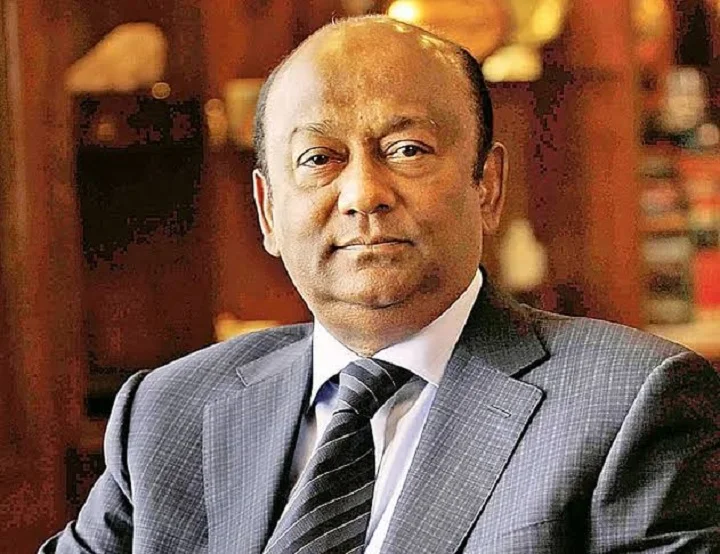
Bangladesh has given us some really great business leaders. These folks helped build up the country’s economy. And one name stands out big time. That’s Latifur Rahman. He started and led the Transcom Group.
This guy built a huge business empire. We’re talking about medicine, food and drinks, gadgets, media, stuff people buy every day, and selling things worldwide. His story is pretty cool. He went from working at his family’s jute mill to running a major business group. It’s one of those stories that inspires people in Bangladesh even now.
But what made him different from other business folks? Simple. People knew him for being honest. He led with care. And he did business the right way.
Lots of people look up Latifur Rahman net worth, his life story, how he earned money, his family, his companies, and how he lived. His success and the awards he got from around the world made him a big deal in Bangladesh’s business history.
Here’s the thing though. Latifur Rahman died on July 1, 2020. So he doesn’t have a net worth in 2026. Nobody really knows for sure how much his stuff was worth when he passed away.
Latifur Rahman Personal Info
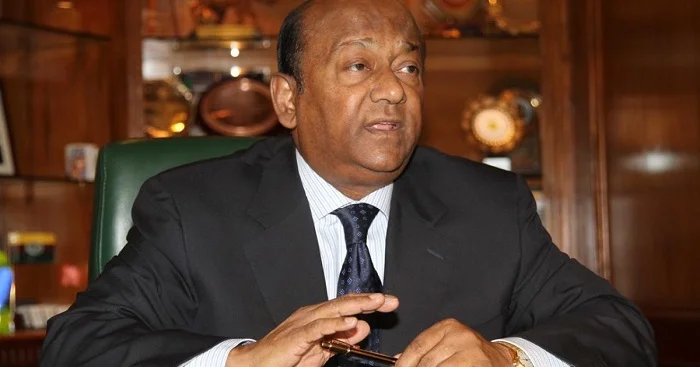
Here’s a quick look at who he was and what he did.
| Personal Information | Details |
| Full Name | Latifur Rahman |
| Latifur Rahman Date of Birth | August 28, 1945 |
| Latifur Rahman Date of Death | July 1, 2020 |
| Latifur Rahman Age at Death | 74 Years |
| Latifur Rahman Birthplace | Jalpaiguri, British India |
| Latifur Rahman Nationality | Bangladeshi |
| Latifur Rahman Profession | Businessman, Entrepreneur |
| Latifur Rahman Known For | Founder of Transcom Group |
| Latifur Rahman Father | Khan Bahadur Mujibur Rahman |
| Latifur Rahman Mother | Begum Sakera Banu |
| Latifur Rahman Spouse | Shahnaz Rahman |
| Latifur Rahman Children | Four |
| Latifur Rahman Major Business | Transcom Group |
| Latifur Rahman Net Worth 2026 | Not Applicable — Deceased in 2020 |
Latifur Rahman Biography Overview
This table shows his schooling, business work, and big wins.
| Attribute | Details |
| Education | St. Francis School, St. Edmund’s School, St. Xavier’s College |
| Business Career Started | 1966 |
| First Workplace | W Rahman Jute Mills |
| Transcom Group Founded | 1973 |
| Primary Industries | Pharmaceuticals, Consumer Goods, Media |
| Corporate Position | Founder Chairman |
| Major Recognition | Oslo Business for Peace Award |
| Award Year | 2012 |
| Other Recognition | SAARC Outstanding Leader Award |
| Death Location | Chauddagram, Cumilla, Bangladesh |
Latifur Rahman Early Life and Education
Latifur Rahman came into this world on August 28, 1945. He was born in Jalpaiguri, which was part of British India back then. His family had been in business for a long time. They worked mostly in jute and tea.
When he was a kid, he lived in the Gandaria part of Dhaka. He started school at St. Francis School. Then he moved to St. Edmund’s School in Shillong. After that, he went to St. Xavier’s College in Kolkata.
In 1965, he came back to Dhaka. He was ready to start his career. His schooling and family taught him about business from a young age. But guess what? His career would end up going in a whole new way from what his family did.
Latifur Rahman Early Business Career
Latifur Rahman started working in 1966. He joined W Rahman Jute Mills. That was his family’s business. He began as a trainee, you know, learning the ropes.
Over time, he learned how to run things. He figured out how to manage workers and deal with business stuff. Jute was a big deal in East Pakistan back then. It was super important for the economy.
But then came the Bangladesh Liberation War of 1971. Everything changed. After the country became free, the government took over many businesses. That included his family’s jute mills.
So what happened? Latifur Rahman lost the business he had been building his career on. But did he give up? Nope. He decided to start fresh with new chances.
Latifur Rahman Establishment of Transcom Group
Latifur Rahman started Transcom Group in 1973. This was right after the government took his family’s businesses. The company first focused on trading with other countries and getting products to people.
Bangladesh was brand new then. The economy needed good suppliers. It needed ties with foreign companies. And it needed new money coming in. Rahman saw all these chances. He began making friends with companies from other countries.
His plan was simple but smart. Build long-term ties. Keep things high quality. And make people trust you. During the 1980s, Transcom became a big dealer for Nestlé stuff in Bangladesh. The company slowly grew into more areas.
This was when Transcom went from being just a trading business to a big group doing lots of different things.
Latifur Rahman Growth of Transcom Group
Transcom Group grew to become one of the biggest private business groups in Bangladesh. It spread into many areas, like medicine making, food and drinks, stuff people buy, gadgets, getting products to stores, fast food places, newspapers and media, tea farms, trading with other countries, and making things in factories.
The group made deals with big brands from around the world. These ties helped bring well-known products and services to Bangladesh. Transcom also put money into making things locally. This meant they didn’t have to bring in everything from other places.
The group’s growth gave jobs to lots of people. It helped Bangladesh grow its industry. According to Transcom’s website, the group now has more than 20,000 workers across all its businesses. That’s the current number though. It might not be how many worked there when Latifur Rahman was alive.
Latifur Rahman Major Business Ventures
Latifur Rahman was linked to many big businesses through Transcom Group.
| Business Venture | Industry |
| Transcom Group | Diversified Industries |
| Eskayef Pharmaceuticals | Pharmaceuticals |
| Transcom Beverages | Food and Beverages |
| Transcom Electronics | Electronics |
| Transcom Foods | Restaurants and Food Services |
| Transcom Distribution Company | Distribution and Logistics |
| Mediastar Limited | Media and Publishing |
| Mediaworld Limited | Media and Publishing |
| Tea Holdings Limited | Tea Industry |
These companies show what Transcom Group does. But hey, this isn’t a full list of everything Latifur Rahman owned himself.
Latifur Rahman Role in Bangladesh’s Pharmaceutical Industry
One of the biggest things Latifur Rahman did was grow Transcom into making medicine. During the 1990s, the group bought the Bangladesh part of SmithKline & French. That was a big drug company from overseas.
This deal helped create Eskayef Pharmaceuticals Limited. Eskayef became one of the known drug makers in Bangladesh. The company made medicines for people at home and in other countries too.
As time went on, it grew its factories and got better tech. It also sold more stuff abroad. Latifur Rahman’s choice to get into medicine showed he liked businesses that would last a long time. Eskayef is still a key part of what Transcom Group does.
Latifur Rahman International Brands and Partnerships
Latifur Rahman played a big role in bringing world brands to Bangladesh. Transcom made ties with many big companies from other countries. These deals have included brands like Nestlé, Pepsi, KFC, Pizza Hut, Whirlpool, L’Oréal, Abbott, and Mars.
Some of these deals happened when Latifur Rahman was in charge. Others came later as the group grew. These ties helped Transcom build its network for getting products to people. They also helped its name in business.
Plus, they brought new products, tech, and ways of running things to Bangladesh.
Latifur Rahman and Bangladesh’s Media Industry
Latifur Rahman was also a big name in Bangladesh’s media world. He helped start Mediaworld Limited. That’s the company tied to The Daily Star, an English newspaper. He was also chairman of Mediastar Limited. That one puts out Prothom Alo, a Bengali newspaper.
Both papers became major reads in Bangladesh. People knew about his work in the media as part of what he did for free press. Even though he was a business guy, his media work helped build real news groups.
Latifur Rahman Income Sources
During his life, Latifur Rahman’s wealth came mainly from his businesses and where he put his money. His money-making was linked to several areas.
Ways he might have made money include owning businesses, getting company payouts, medicine investments, selling everyday stuff, gadget businesses, food and drink work, media investments, tea industry stakes, trading with other countries, and other company investments.
But we don’t know exactly how much he made from each. And hey, the money Transcom Group makes isn’t the same as what Latifur Rahman earned himself.
Latifur Rahman Net Worth 2026
People still wonder about Latifur Rahman net worth because he started one of Bangladesh’s biggest business groups. But here’s the deal. He passed away on July 1, 2020. So saying he has a net worth in 2026 wouldn’t be right.
His estate might have had business shares, money investments, and other stuff. But we don’t really know the full value from any good public records. And Transcom Group’s worth today can’t be used to guess his personal wealth. Company stuff belongs to the companies. Personal net worth depends on what someone owns and owes.
Latifur Rahman Wealth and Financial Overview
| Financial Category | Public Status |
| Personal Net Worth 2026 | Not Applicable |
| Year of Death | 2020 |
| Estate Value at Death | Not Publicly Verified |
| Major Business | Transcom Group |
| Pharmaceutical Business | Eskayef Pharmaceuticals |
| Media Business | Prothom Alo and The Daily Star Associations |
| Consumer Goods | Corporate Investments |
| Electronics | Corporate Investments |
| Personal Property Holdings | Not Fully Disclosed |
There’s no solid way to call him a billionaire without real money records to prove it.
Latifur Rahman Lifestyle and Family
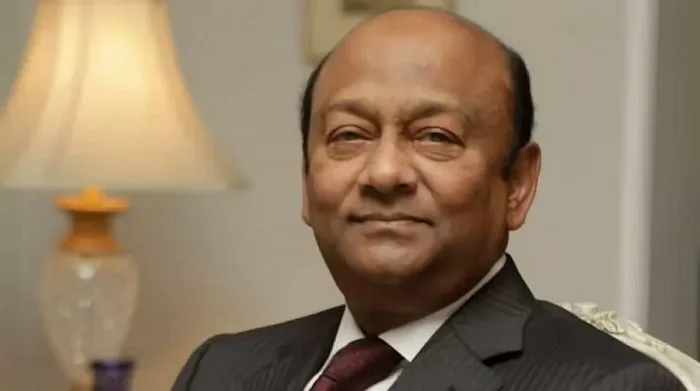
Latifur Rahman was married to Shahnaz Rahman. They had four kids: Arshad Waliur Rahman, Simeen Rahman, Shazreh Rahman, and Shazneen Rahman. His daughter Simeen Rahman became a key leader in Transcom Group.
The family went through some really sad times too. His youngest daughter, Shazneen Rahman, was killed in 1998. His grandson, Faraaz Ayaaz Hossain, was killed during the Holey Artisan Bakery attack in Dhaka on July 1, 2016.
Latifur Rahman died exactly four years later, on July 1, 2020. Even with all his success, people often said he was a simple and careful person. He cared about doing the right thing. His name was built more on business values and what he achieved than on fancy living.
Also Read: Muhammed Aziz Khan Net Worth 2026: Income, Biography, Business Career & Lifestyle
Latifur Rahman Awards and Recognition
Latifur Rahman got several awards for his work in business and leading the right way. His biggest world-known win was the Oslo Business for Peace Award in 2012. The Business for Peace Foundation in Norway gives this award. It honors business leaders who lead well and help society.
He got other honors during his career too.
| Award | Year |
| Business Executive of the Year, American Chamber of Commerce | 2001 |
| Oslo Business for Peace Award | 2012 |
| SAARC Outstanding Leader Award | 2017 |
| UKBCCI Lifetime Achievement Award | 2017 |
These awards helped show that he was an honest business leader.
Latifur Rahman Business Leadership and Institutional Involvement
Latifur Rahman led several key business groups. He was president of the Metropolitan Chamber of Commerce and Industry, Dhaka, more than once. He also worked with the International Chamber of Commerce and sat on its board.
He did other things too. He was involved with the Bangladesh Employers’ Federation, BRAC, and groups that give advice on trade and how to grow the economy. These roles showed his reach beyond the Transcom Group. He took part in talks about business rules, world trade, and running companies the right way.
Latifur Rahman Business Influence
| Sector | Business Association |
| Pharmaceuticals | Major |
| Consumer Goods | Significant |
| Food and Beverages | Established |
| Electronics | Established |
| Media | Significant |
| Distribution | Major |
| International Trade | Established |
| Business Leadership | Highly Recognized |
| Ethical Business Practices | International Recognition |
Interesting Facts About Latifur Rahman
He was born on August 28, 1945. He started work at a family jute mill in 1966. His family’s jute business was taken by the government after Bangladesh became free. He started Transcom Group in 1973. He helped bring world brands to Bangladesh. He built Transcom’s medicine business through Eskayef. He was linked to The Daily Star and Prothom Alo. He got the Oslo Business for Peace Award in 2012. He got the SAARC Outstanding Leader Award in 2017. He was known for doing business the right way. He died on July 1, 2020. Nobody really knows what his personal estate was worth.
Frequently Asked Questions About Latifur Rahman
What is Latifur Rahman net worth in 2026?
Latifur Rahman died in 2020. So he doesn’t have a net worth in 2026. We don’t really know what his estate was worth when he passed.
Who was Latifur Rahman?
He was a business guy from Bangladesh. He started and led the Transcom Group.
Was Latifur Rahman a billionaire?
His business group became one of the biggest in Bangladesh. But there’s no real proof that he was worth a billion dollars himself.
Who founded Transcom Group?
Latifur Rahman started Transcom Group in 1973.
What companies were associated with Latifur Rahman?
He was linked to Eskayef Pharmaceuticals, Transcom Beverages, Transcom Electronics, Transcom Foods, and media companies tied to The Daily Star and Prothom Alo.
Who was Latifur Rahman’s wife?
His wife was Shahnaz Rahman.
How many children did Latifur Rahman have?
He had four children.
What award did Latifur Rahman receive in 2012?
He got the Oslo Business for Peace Award. It was for his work in honest and caring business leadership.
When did Latifur Rahman die?
He died on July 1, 2020, in Chauddagram, Cumilla, Bangladesh.
Why is Latifur Rahman famous?
He’s famous for starting Transcom Group, building big businesses, making deals with world companies, and pushing for honest business ways.
Latifur Rahman is still one of the most looked-up-to business people in Bangladesh. His path from working at a family jute mill to building Transcom Group shows what long-term thinking, hard work, and good leadership can do.
Through his work in medicine, gadgets, everyday products, food and drinks, and media, he helped Bangladesh grow its industry and trade. People around the world knew about his work, especially through the Oslo Business for Peace Award.
If you’re looking up Latifur Rahman net worth in 2026, just remember he passed away in 2020. And we don’t really know what his personal stuff was worth. What he left behind isn’t just about how big his business group was. It’s about the honesty, skill, and good business ways he showed throughout his career.

I’m Tyler. Driven by dynamic ideas, sharp perspectives, and the stories shaping our daily lives, I write to turn complex thoughts into engaging reads. Whether I’m dissecting modern trends or uncovering fresh insights, my goal is simple: to bring you clear, compelling content that’s always worth your time. Stick around—there’s always a new angle to explore.