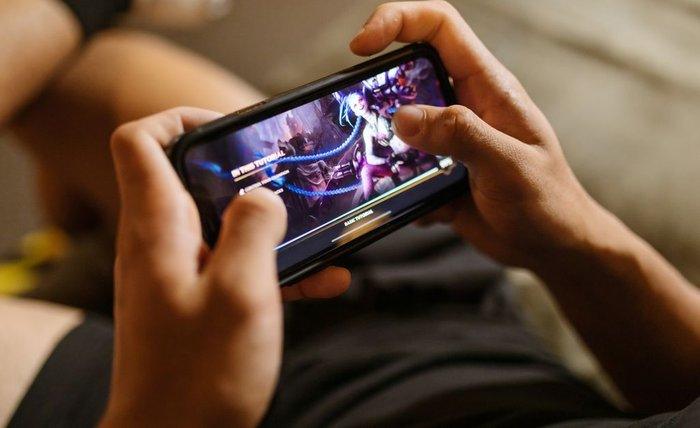
Introduction to Online Gaming
How did online gaming go from a niche hobby to a major part of interactive entertainment? The answer is a mix of better technology, changing habits, and a stronger demand for experiences that feel active instead of passive. Online gaming changed the entertainment landscape by letting people take part, react, compete, and connect in real time. This shift gave audiences something that movies, music, and television could not always offer: direct involvement. Today, online gaming sits at the center of a much bigger entertainment mix, shaping how people spend free time, how they socialize online, and even how other media industries think about audience attention. The rise of online gaming didn’t happen overnight, but once the pieces came together, the growth was hard to miss. Players are no longer just consumers of content; they make decisions, solve problems, compete with others, and affect the outcome.
For a long time, entertainment mostly meant watching or listening. Online gaming changed that by letting people take part, react, compete, and connect in real time. That shift mattered a lot, because it gave audiences something that movies, music, and television could not always offer: direct involvement.
Today, online gaming sits at the center of a much bigger entertainment mix. It shapes how people spend free time, how they socialize online, and even how other media industries think about audience attention. Its rise did not happen overnight, but once the pieces came together, the growth was hard to miss.
The Shift From Passive To Interactive
Online gaming became popular because it gave people more control over the experience.
Players Wanted More Than Passive Viewing
Traditional entertainment asks people to watch, listen, or read. Online gaming asks them to act. That simple difference changed everything. Players are no longer just consumers of content. They make decisions, solve problems, compete with others, and affect what happens next. That level of involvement keeps attention high and makes the experience feel personal.
As internet access improved, more people could join games that were no longer limited to one console or one room. Instead of playing alone, they could connect with others across cities and countries. That social layer made gaming feel more alive and far less isolated.
Many players also enjoyed the fact that online games could change over time. New content, new events, and new challenges kept things fresh. A game no longer had to end after one run through. It could keep growing, and the player could keep returning.
Technology Made Online Play Possible
Better tech gave online gaming the reach and speed it needed.
Faster Networks Changed The Experience
Early online play often struggled with slow connections and lag. That made action feel clumsy and limited what developers could build. As internet speeds improved, real-time interaction became possible, and the quality of games increased significantly.
me much smoother. That mattered for everything from fast competition to shared cooperative play.
At the same time, devices became more capable. Home computers, consoles, tablets, and phones all got stronger and more connected. That meant more people could join in, and they could do it from different places and at different times. Accessibility helped online gaming move beyond a narrow audience.
Game design also improved. Developers learned how to create systems that worked well online, from matchmaking to chat tools to live events. These features made the experience more social and more responsive. If you want to see how a platform can build around that kind of interaction, a site like KUY4D shows how online spaces can place user activity at the center of the experience.
Social Connection Became A Major Draw
Online gaming did not grow on technology alone. People stayed because of other people.
Playing Together Built Stronger Habits
One of the biggest reasons online gaming took off is that it turned play into a social activity. Friends could team up after school or work. Strangers could meet through shared goals. Communities formed around specific games, play styles, and skill levels. That social structure gave players a reason to return even when they were not chasing a win.
Communication tools made the experience richer. Voice chat, text chat, and group systems helped players coordinate and joke around at the same time. For many people, the game itself was only part of the appeal. The rest came from the people they played with.
That social side also made online gaming feel more modern than older forms of entertainment. It was not fixed and one-way. It was active, social, and shaped by the people inside it. Even simple routines, like logging in to meet a regular group, turned gaming into a habit that fit into daily life.
Competition Gave Gaming Broader Appeal
Competition helped online gaming reach people who liked pressure, skill, and clear results.
Winning And Improving Kept Players Coming Back
Online games often give instant feedback. You win, lose, rank up, or improve a stat. That clear response makes progress easy to understand. It also gives players a reason to practice and return. The thrill of getting better is a strong motivator, especially when others can see the result.
Competition also made online gaming more visible to people who did not play much themselves. Watching skilled players became entertainment on its own. Large audiences began following matches, strategies, and player personalities. That created a new form of media around gaming, one that mixed sport-like tension with digital play.
For some players, competition is not about being the best. It is about testing skill in a live setting where other people react in real time. That mix of pressure and social feedback is a big reason online gaming feels so different from solo entertainment.
Content Updates Kept Games Alive
Online games stayed relevant because they could change after release.
Fresh Material Extended Interest
In older entertainment formats, the content is usually fixed. A film ends the same way every time. A game can be replayed, but the structure stays mostly the same. Online games changed that by adding live updates, seasonal events, new maps, new modes, and new challenges. That made the experience feel active long after launch.
This constant update cycle also created a stronger relationship between players and the game itself. People had reasons to check back in, see what changed, and adjust their play. That made online gaming feel less like a one-time purchase and more like an ongoing activity.
For users who enjoy structured sign-in routines and repeated play sessions, the appeal is obvious. A platform such as KUY4D DAFTAR reflects how online access and regular participation can keep people involved over time.
Online Gaming Shaped The Rest Of Entertainment
The rise of online gaming did not stay inside gaming.
Other Media Started Copying Its Strengths
Many entertainment industries now use ideas that online gaming helped normalize. Live chat, community feedback, timed events, and user participation all became more common across digital media. People now expect content to respond, update, and connect them with others. That expectation came partly from gaming habits.
Streaming culture also grew alongside online gaming. Players began sharing sessions, tips, and reactions with large audiences. That made gaming part of a bigger interactive media system, where playing, watching, and talking all blend together. The line between creator and audience became much thinner.
Even outside games, entertainment companies started paying attention to how long people stayed active and what kept them returning. Online gaming showed that people like content that gives them agency. They want to take part, not just sit back.
Why It Still Matters
Online gaming remains a major driver of interactive entertainment because it matches how people use digital media now.
It Fits Modern Attention And Social Habits
People want experiences that are flexible, social, and responsive. Online gaming fits that need better than many older formats. It can be short or long, casual or competitive, solo or group-based. It can fit into a quick break or a long evening. That flexibility helps it stay relevant across age groups and interests.
It also gives people a sense of participation that is hard to copy. When players affect outcomes, talk with others, and return for new updates, the entertainment feels alive. That is why online gaming is no longer just one category among many. It helped define what interactive entertainment looks like for a huge part of the audience.
As more media becomes digital and social, the influence of online gaming will likely stay strong. Its rise shows that people do not just want content. They want something they can take part in, shape, and share.

Expert in glasses with 8 years of experience, Isabella Lane dives into the world of eyewear. Explore their insightful content on the latest trends, lens technology and styling tips for a clearer vision.